
The Ibadan sun blazes relentlessly, turning every outing into a sweat fest—yet your hair remains flawlessly layered,...
Latest posts
-
 Lightweight Layered Wigs for 2026 Summer Heat in IbadanRead more
 -
 French Curl Wigs: The 2026 Takeover for Natural Nigerian TexturesRead more
As natural texture wigs surge in popularity, French curls offer that perfect mimicry of our coily, kinky locks,...
-
 Bixie Cut Wigs: Bold Short Styles Trending in 2026 AbujaRead more
As short wigs Abuja gain traction among working women seeking bold short wigs that beat the heat, this trend offers...
-
 Dimensional Color Wigs: Root Shadows and Balayage for Nigerian Skin TonesRead more
Stepping into Lagos' vibrant streets, where the sun kisses your skin and every look tells a story, why settle for...
-
 Knotless Box Braid Wigs for Protective Styling in 2026 NigeriaRead more
In 2026, Knotless Box Braid Wigs Nigeria are revolutionizing protective styling, offering a seamless blend of...
-
 2026 Boho Wave Wigs: Effortless Styles for Lagos HumidityRead more
Stepping out in Lagos' sticky embrace, where the air feels like a warm hug you didn't ask for, your hair can either...
-
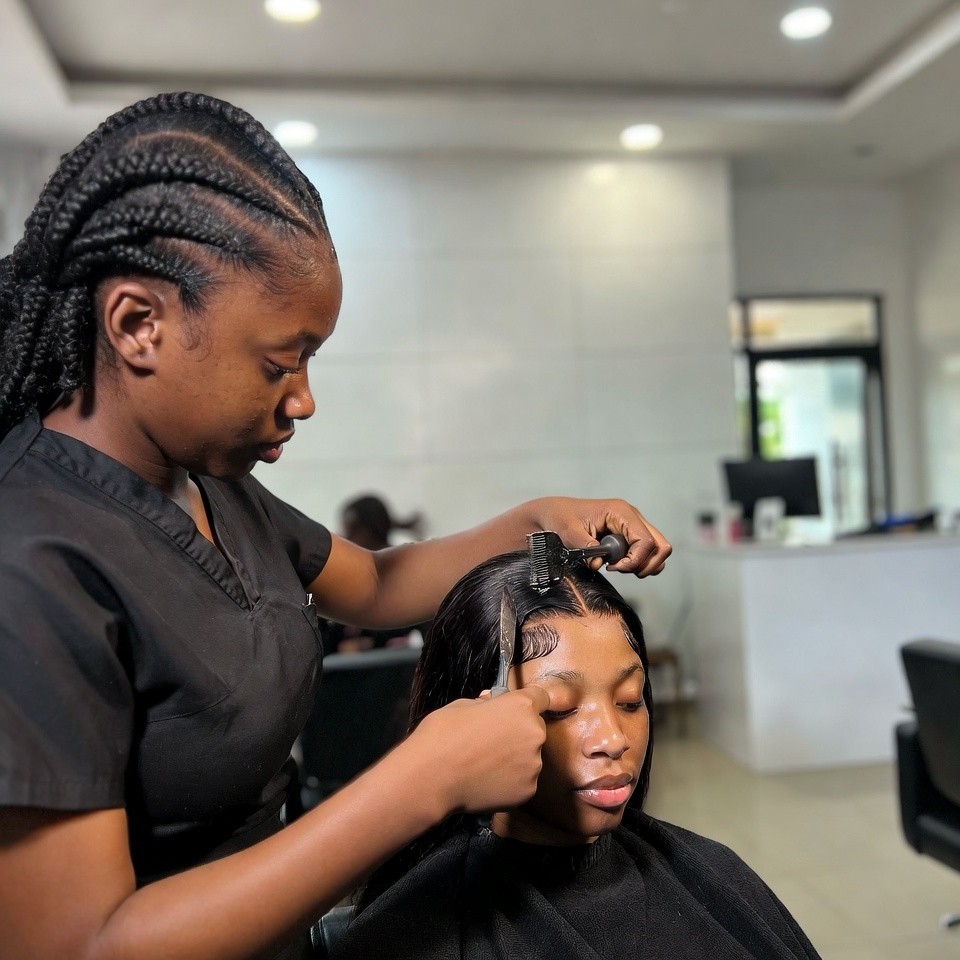 DIY vs. Professional Wig Installation in Lagos: When to Visit the SalonRead more
You’ve just spent two hours in traffic, and your “flawless” DIY lace frontal is lifting at the temples while your...
-
 Understanding Wig Density: Is 300% Density Too Heavy for the Nigerian Heat?Read more
Sweltering under the Lagos sun, you slip on your favorite wig only to feel like you're carrying a blanket on your...
-
 The "Owambe" Edit: 5 Wigs That Stand Out at Nigerian WeddingsRead more
In 2026, Owambe Wigs Nigeria are elevating wedding guest looks, blending tradition with modern flair. Whether you're...
-
 Bone Straight vs. Super Double Drawn (SDD): What Are You Actually Paying For?Read more
You're scrolling through Instagram in bustling Lagos, eyeing that sleek wig that promises to turn heads. But is it...
Blog categories
Search in blog
Archived posts

How to Maintain Your Wig Properly: A Simple Guide That Actually Works
Most wig problems are not caused by bad wigs.
They are caused by bad care.
Tangling, shedding, dryness, and loss of shape usually come from a few avoidable mistakes. The good news is that proper wig maintenance is not complicated. It just needs consistency and restraint.
This guide is written for real life. Not salon-level rituals. Not internet myths.
.png)
Start With How Often You Wear the Wig
Maintenance depends on usage, not time.
A wig worn daily needs more attention than one worn occasionally. Many people ask, “When should I revamp my wig?” The better question is, “How often am I wearing it?”
As a general rule:
- Daily wear: light care weekly, deeper care monthly
- Occasional wear: light care every few weeks
Overwashing is as damaging as neglect.
Use the Right Tools, Not More Products
One of the most searched questions is:
What kind of brush is best for a wig?
The answer is simple. Use tools that reduce tension.
Wide-tooth combs and wig-friendly brushes prevent unnecessary pulling. Start detangling from the ends and work upward. Never rush this step.
More products do not mean better results. Heavy products cause buildup and dull the hair over time.
How to Tell If a Wig Is High Quality
Washing Is About Technique, Not Frequency
Wigs do not need to be washed as often as natural hair.
When washing:
- Use lukewarm water
- Apply shampoo gently, without scrubbing
- Rinse thoroughly
- Condition lightly and evenly
Never twist or wring the wig. Let water flow through it naturally.
This is how you keep wigs looking fresh without weakening the hair.
.png)
Drying and Styling Matter More Than People Think
Air drying is always safer.
If you use heat, keep it controlled and minimal. Excessive heat shortens the life of even the best human hair wig.
A well-made wig should hold styles better, which reduces how often heat is needed.
Wigs as Art: How Ekina Rita Blends Craftsmanship and Trend
Storage Is Part of Maintenance
Many people overlook this.
When not in use:
- Store wigs on a stand or in a silk-lined bag
- Keep them away from dust and moisture
- Avoid crushing or folding
Proper storage prevents unnecessary tangling and shape loss.
.png)
What Wig Revamping Really Means
What does wig revamping mean?
It means restoring a wig after extended wear.
Revamping may include:
- Deep conditioning
- Trimming damaged ends
- Resetting style
It is not something you should need often if the wig is well-made and properly maintained.
This is where quality shows itself over time.
Ethical Luxury: Sourcing Human Hair Responsibly
Why Quality Wigs Are Easier to Maintain
High quality wigs respond predictably.
They tangle less, shed less, and bounce back faster after care. This is why people eventually ask, “How much does a good quality wig cost?” after dealing with high-maintenance hair.
Quality reduces effort.
Ekina Rita designs wigs with this reality in mind.
Frequently Asked Questions
How do I keep my wig looking fresh?
Gentle care, minimal heat, proper storage.
When should I revamp my wig?
When regular care no longer restores its look.
Can I overwash my wig?
Yes. Overwashing weakens the hair.
Final thought
Good maintenance is quiet.
If you are constantly fixing your wig, something is wrong. Either with the care routine or with the wig itself.
A well-made wig should work with you, not against you.
Posted in:
Default category
Related posts
-
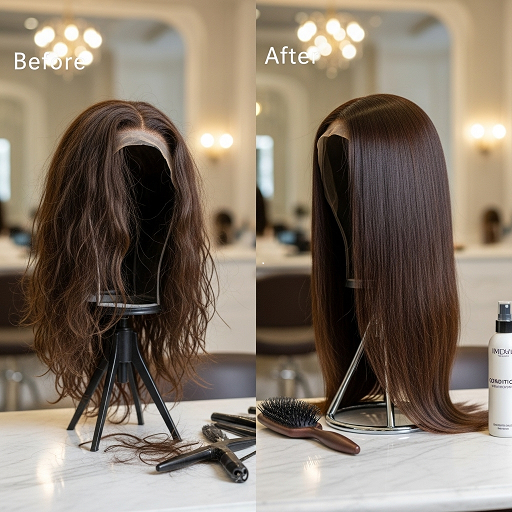 The Ultimate Wig Care Guide: How to Keep Human Hair Wigs Soft & Shiny
Discover expert wig care tips, human hair wig maintenance routines, storage solutions, and revamp secrets to keep...Read more
The Ultimate Wig Care Guide: How to Keep Human Hair Wigs Soft & Shiny
Discover expert wig care tips, human hair wig maintenance routines, storage solutions, and revamp secrets to keep...Read more -
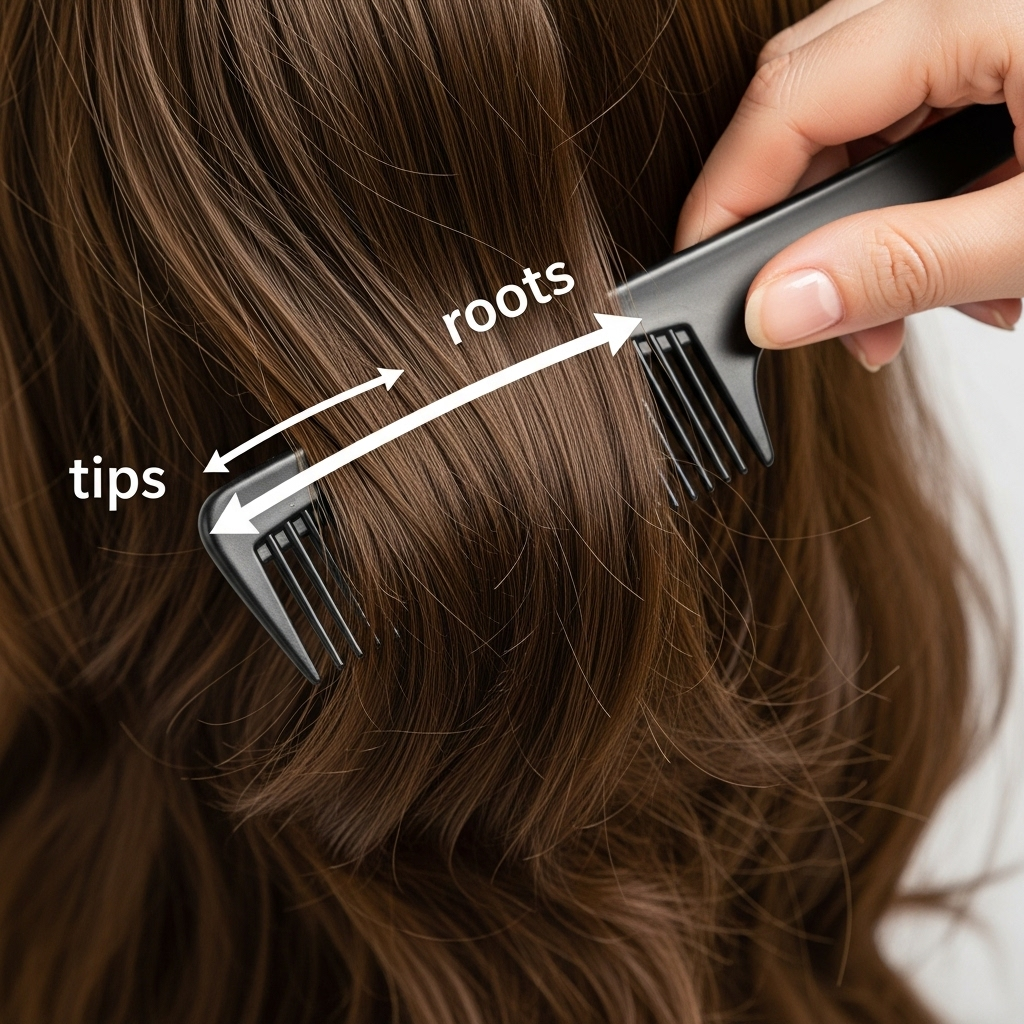 Your Wig Care Guide
How to care for your wig the right wayRead more
Your Wig Care Guide
How to care for your wig the right wayRead more -
 How to Choose the Right Wig: A Practical Guide That Actually Works
Choosing the right wig is not about trends. It’s about alignment. Your lifestyle, comfort needs, face shape, and how...Read more
How to Choose the Right Wig: A Practical Guide That Actually Works
Choosing the right wig is not about trends. It’s about alignment. Your lifestyle, comfort needs, face shape, and how...Read more -
 How to Care for Human Hair Wigs in Different Weather
Weather damage is preventable. Most issues blamed on “bad wigs” are actually care mismatches.Read more
How to Care for Human Hair Wigs in Different Weather
Weather damage is preventable. Most issues blamed on “bad wigs” are actually care mismatches.Read more -
 Human Hair Wigs Price in Nigeria: What Actually Affects Cost
The Honest Truth About Wig PricesRead more
Human Hair Wigs Price in Nigeria: What Actually Affects Cost
The Honest Truth About Wig PricesRead more
Leave a comment